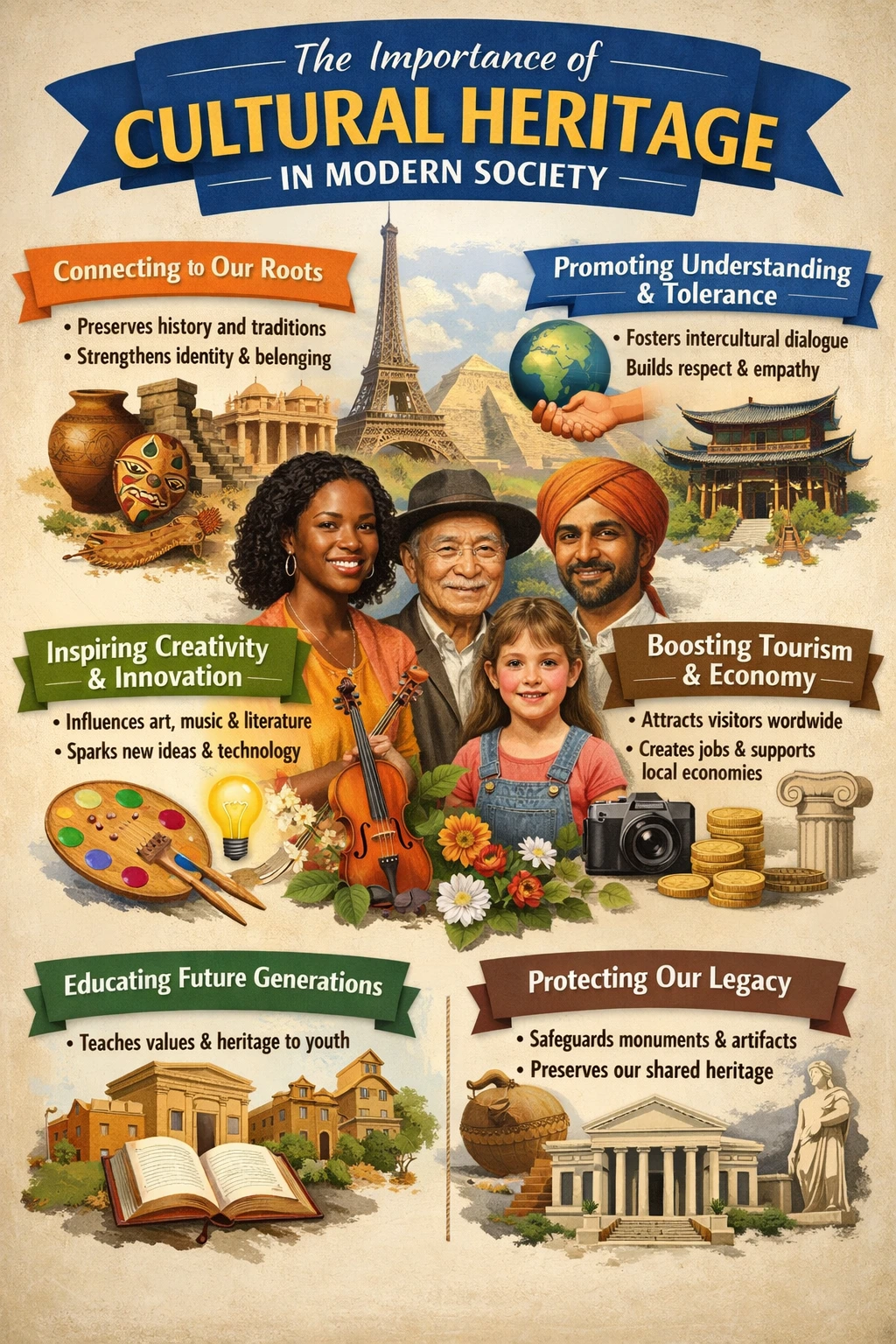
Cultural Heritage in Modern Society plays a vital role in shaping identity, values, and continuity in a rapidly changing world. As globalization, technology, and urbanization transform lifestyles, cultural heritage acts as a bridge between the past and the present. It preserves traditions, beliefs, art forms, languages, and historical knowledge that define who we are as individuals and communities.
In modern society, cultural heritage is not just about monuments or rituals—it is about living traditions, shared memories, and collective identity. Understanding its importance helps societies grow while staying rooted in their history.
What Is Cultural Heritage in Modern Society?
Cultural heritage refers to the traditions, customs, monuments, artifacts, and values passed down from generation to generation. In the context of cultural heritage in modern society, it includes both tangible and intangible elements.
Tangible heritage includes monuments, architecture, paintings, sculptures, and historical sites. Intangible heritage includes language, folklore, music, dance, rituals, festivals, and traditional knowledge. Together, they form the foundation of cultural identity.
Why Cultural Heritage in Modern Society Matters
Modern society and cultural traditions provides a sense of belonging and continuity. As lifestyles become more digital and global, heritage offers emotional stability and cultural grounding.
Moreover, cultural heritage helps societies maintain diversity while promoting mutual respect. It reminds people of shared roots and encourages understanding between different cultures.
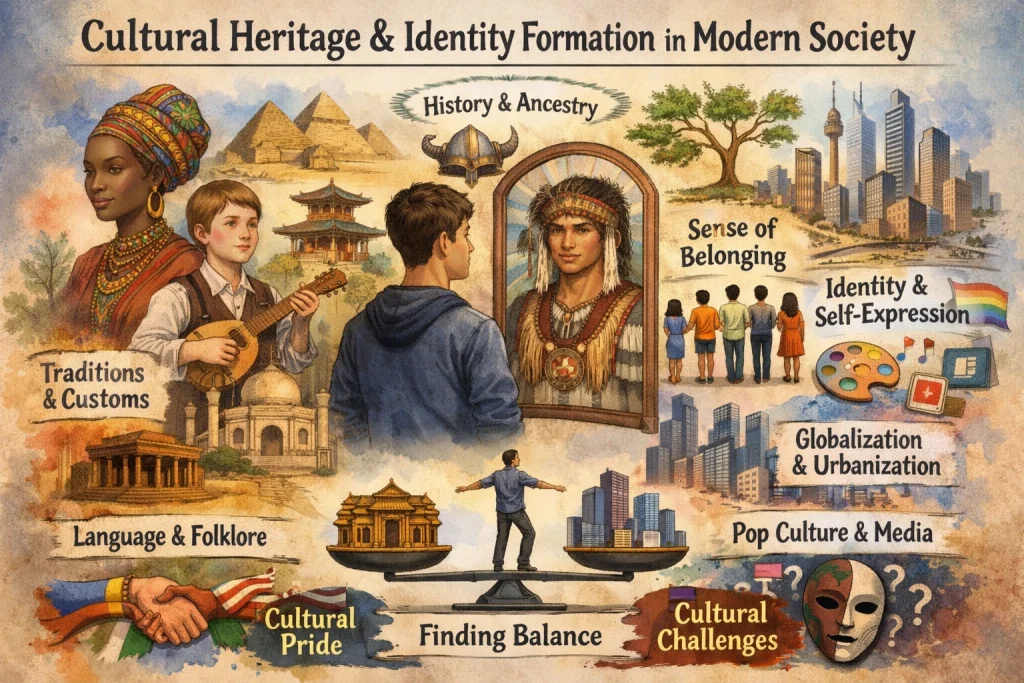
Cultural Heritage and Identity Formation in Modern Society
Identity is deeply connected to cultural heritage. In modern society, people often face cultural homogenization due to global trends. Cultural heritage helps individuals stay connected to their origins.
Through language, customs, and traditions, Modern society and cultural traditions shapes personal and collective identity. It allows communities to celebrate uniqueness while contributing to global culture.
Fostering Respect and Critical Thinking
Education plays a crucial role in preserving Preserving cultural legacy. Schools, universities, and cultural institutions introduce students to history, traditions, and values.
Learning about cultural heritage encourages respect, tolerance, and critical thinking. It helps young generations understand the struggles, achievements, and wisdom of their ancestors.
Festivals, Rituals, and Community Events
Preserving cultural legacy strengthens social bonds. Festivals, rituals, and community events bring people together, regardless of social or economic differences.
Shared heritage promotes unity and cooperation. It fosters pride and collective responsibility to protect cultural values for future generations.
Supporting Artisans and Cultural Industries
Cultural heritage today also has strong economic value in Historical. Heritage tourism creates employment, supports local artisans, and boosts regional development.
Historic sites, museums, traditional crafts, and cultural festivals attract tourists from around the world. As a result, Heritage and traditions in modern life contributes to sustainable economic growth.
Cultural Heritage and Tourism Development in Modern Society
Tourism thrives on cultural heritage. Travelers seek authentic experiences that reflect local traditions and history.
In modern society, cultural heritage tourism encourages preservation while generating income. Responsible tourism ensures that heritage sites remain protected and accessible for future generations.
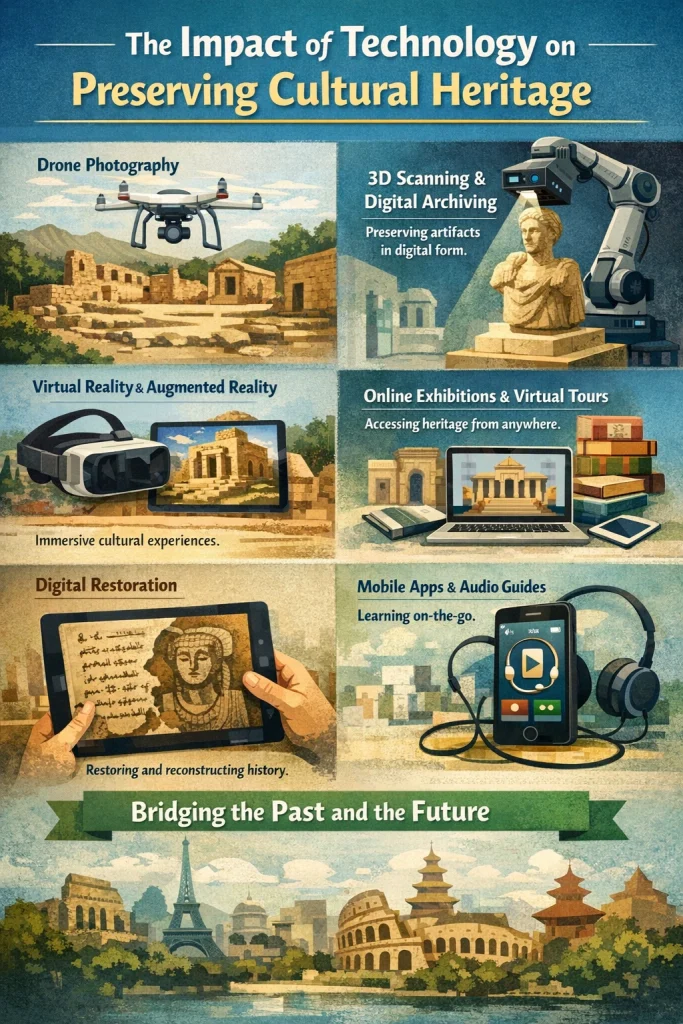
Impact of Technology on Preserving Cultural Heritage
Technology has transformed how cultural heritage is preserved and shared in modern society. Digital archives, virtual museums, and online exhibitions make heritage accessible globally.
Social media, documentaries, and educational platforms help raise awareness about cultural heritage. At the same time, technology ensures long-term preservation through digital documentation.
Challenges to Cultural Heritage in Modern Society
Despite its importance, Heritage and traditions in modern life faces many challenges. Urbanization, pollution, climate change, and neglect threaten historical sites and traditions.
Additionally, modernization sometimes leads to the loss of traditional practices. Protecting cultural heritage requires awareness, policy support, and community participation.
Role of Government and Institutions in Heritage Preservation
Governments and cultural institutions play a key role in safeguarding Historical and cultural values. Laws, conservation programs, and heritage education initiatives help protect cultural assets.
International organizations also support preservation efforts through funding, research, and awareness campaigns.
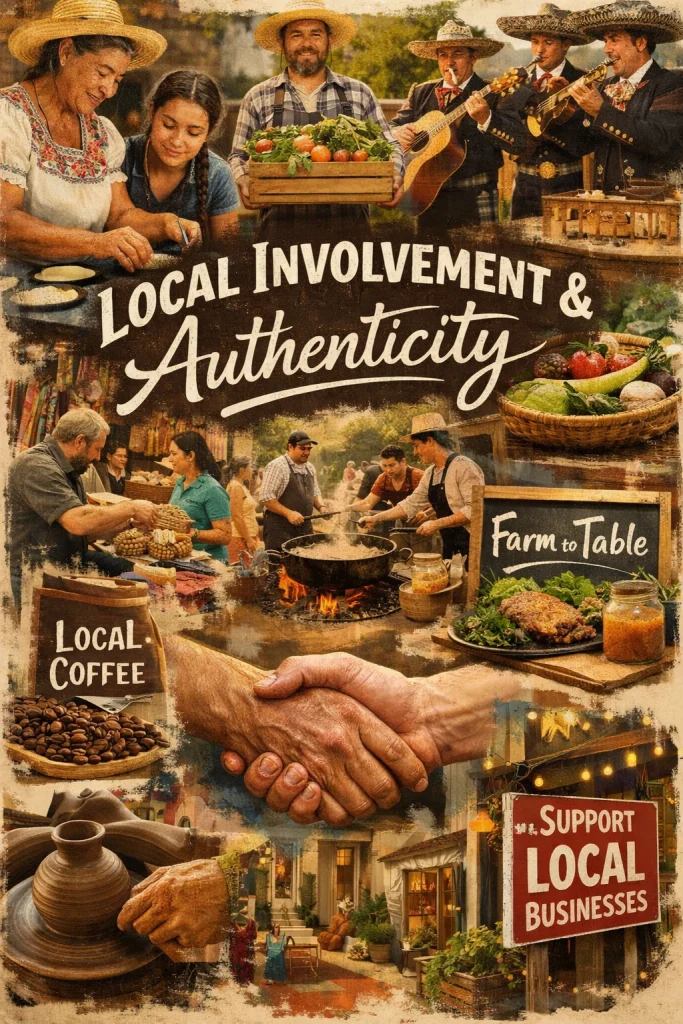
Local Involvement and Authenticity
Communities are the true custodians of cultural heritage. In modern society, local involvement ensures authenticity and sustainability.
When people actively practice traditions, speak native languages, and celebrate cultural events, heritage remains alive rather than confined to museums.
Balancing Global Influence with Local Identity
Globalization has both positive and negative effects on Historical and cultural values. While it promotes cultural exchange, it can also dilute local traditions.
Balancing global influence with local identity is essential. Cultural heritage helps societies remain unique while engaging with the global community.
Continuity, Diversity, and Historical Wisdom
Preserving Historical and cultural values ensures that future generations understand their roots. Heritage provides lessons, inspiration, and values that guide ethical and social development.
Without cultural heritage, societies risk losing identity, diversity, and historical wisdom. Preservation is not about resisting change but about guiding it responsibly.
Conclusion
The importance of Cultural Heritage in Modern Society cannot be overstated. It shapes identity, strengthens communities, supports economies, and enriches global culture.
As society evolves, preserving cultural heritage ensures continuity, diversity, and meaning. By valuing traditions and history, modern society can progress without losing its soul.