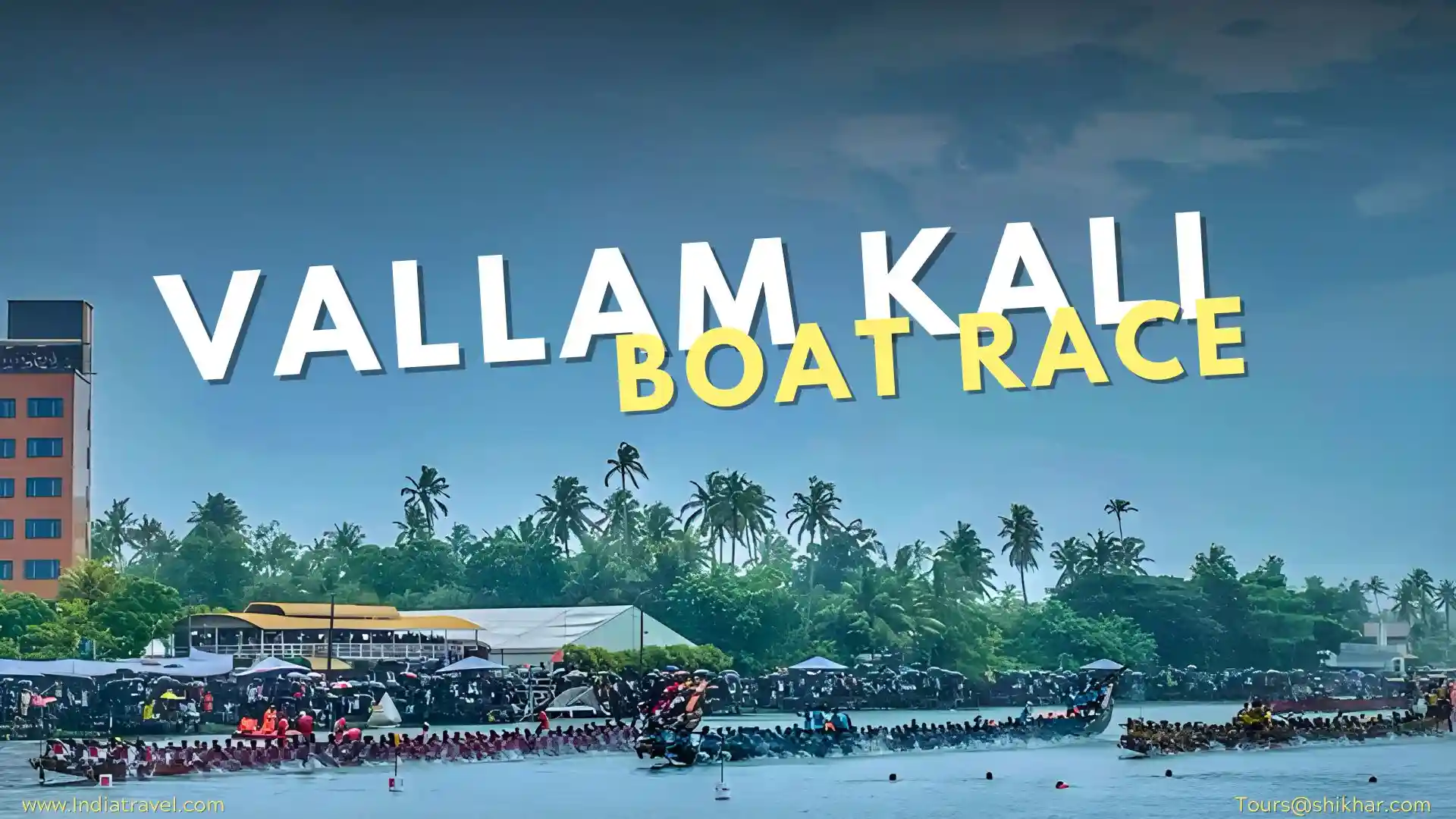
A Boat Race is more than just a competitive sporting event—it is a powerful blend of tradition, teamwork, endurance, and cultural pride. Across the world, boat races have been celebrated for centuries, bringing communities together and showcasing human skill on water. From traditional river races to modern international rowing competitions, the Boat Race continues to inspire athletes and spectators alike.
This detailed guide explores the history, types, rules, famous events, cultural importance, and future of Boat Race competitions, offering a complete understanding of this timeless water sport.
1. Introduction to Boat Race Competitions
A Boat Race is a competitive event where teams or individuals race boats over a defined water course. The objective is simple—reach the finish line before opponents—but achieving this requires exceptional coordination, physical strength, strategy, and timing.
Boat races can take place on rivers, lakes, seas, or canals, and they vary widely in style depending on the region, boat type, and tradition. Some races are highly professional sporting events, while others are community-based cultural festivals.
2. History and Evolution of Water Racing
The history of the Boat Race dates back thousands of years. Ancient civilizations such as the Egyptians, Greeks, and Romans organized water races for military training and entertainment. In Asia, traditional boat racing evolved as part of religious rituals and harvest celebrations.
In Europe, rowing races gained popularity during the 17th and 18th centuries, particularly in England. The modern competitive Boat Race format developed alongside organized rowing clubs and educational institutions, setting the foundation for international championships.
3. Cultural Importance of Traditional Boat Racing
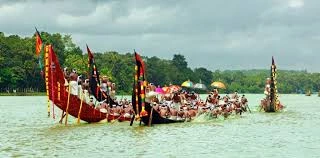
The Boat Race holds deep cultural meaning in many societies. In several Asian countries, boat races are linked to religious beliefs, seasonal cycles, and community bonding. These events often honor water deities, commemorate historical events, or celebrate agricultural prosperity.
In coastal and riverine regions, a Boat Race symbolizes harmony between humans and nature. It reflects respect for waterways, teamwork, and ancestral traditions passed down through generations.
4. Types of Water Races Around the World
4.1 Traditional River Boat Races
Traditional boat races use indigenous boats made from wood or natural materials. These races are deeply rooted in local customs and are often part of festivals.
4.2 Professional Rowing Boat Race Events
Rowing races involve sleek boats powered by oars. These are common in universities, clubs, and international sporting competitions.
4.3 Dragon Boat Racing Traditions
Originating in China, the Dragon Boat Race features long boats decorated with dragon heads and tails. Teams paddle in rhythm to the beat of a drum.
4.4 Canoe and Kayak Racing Events
These races focus on speed and maneuverability, often included in professional water sports and Olympic events.
4.5 Coastal and Sea Water Race
Held in open waters, these races test endurance and navigation skills under changing weather and wave conditions.
5. Famous Boat Race Events Worldwide
Several Boat Race events have gained international recognition due to their history, scale, and prestige.
- The Oxford–Cambridge Boat Race (UK) – One of the most famous rowing competitions in the world
- Dragon Boat Festival Races (China) – A global cultural and sporting event
- Nehru Trophy Boat Race (India) – Celebrated for its massive snake boats
- Henley Royal Regatta (England) – A prestigious rowing event
- Head of the Charles Regatta (USA) – One of the largest rowing competitions
Each Water Race reflects the culture and spirit of its region.
6. Rules and Regulations in Boat Racing
While rules vary depending on the type of Boat Race, some common principles apply:
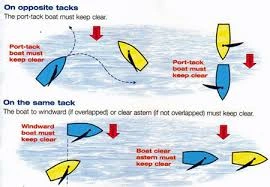
- Boats must follow a defined course
- Teams must use approved equipment
- False starts can result in penalties
- Interference with other boats is prohibited
- Winners are determined by finish time or position
Professional Water Race events are governed by international bodies to ensure fairness and safety.
7. Training and Skills for Competitive Boat Race
Success in a Boat Race depends on rigorous training and discipline. Athletes must develop:
- Physical strength – especially core and upper body
- Endurance – long races demand stamina
- Coordination – synchronized movements are crucial
- Mental focus – strategy and timing matter
- Teamwork – unity determines performance
Training programs often include rowing drills, strength conditioning, water practice, and recovery techniques.
8. Boat Design and Equipment in Racing Sports
The design of boats plays a major role in Water Race performance. Key factors include:
- Boat length and weight
- Hull shape for speed and stability
- Material used (wood, fiberglass, carbon fiber)
- Oars or paddles designed for efficiency
Modern Water Race equipment blends traditional craftsmanship with advanced technology to enhance speed and control.
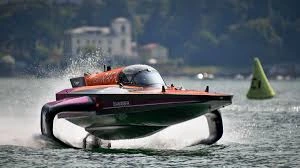
9. Spectator Experience and Media Coverage
A Water Race is visually thrilling and emotionally engaging. Spectators enjoy the intensity of competition, the beauty of boats gliding on water, and the festive atmosphere surrounding major events.
Many Water Race festivals include music, food, cultural performances, and ceremonies, turning the race into a full-day celebration that attracts tourists and media coverage.
10. Economic and Tourism Impact of Boat Race Festivals
Large Water Race events significantly contribute to local economies. They generate income through:
- Tourism and hospitality
- Local crafts and food vendors
- Sponsorships and broadcasting
- Cultural promotion and branding
Regions hosting famous Water Race festivals often experience increased visibility on national and global platforms.
11. Technology and Innovation in Modern Boat Racing
Technology has transformed the modern Boat Race. Innovations include:
- GPS-based timing systems
- Lightweight composite boats
- Performance-tracking wearables
- Video analysis for training
Despite modernization, many communities continue to preserve traditional Boat Race formats to protect cultural heritage.
12. Environmental Sustainability in Water Sports
As awareness grows, Water Race organizers are adopting eco-friendly practices such as:
- Using sustainable materials
- Reducing water pollution
- Limiting motorized support boats
- Promoting conservation awareness
A sustainable Water Race ensures harmony between sport, culture, and the environment.
13. Future of Boat Race Competitions
The future of water Race lies in balancing tradition and innovation. With growing global interest, more international competitions, youth programs, and digital broadcasts are emerging.
water Race events will continue to unite people, celebrate water heritage, and inspire new generations of athletes and enthusiasts worldwide.
Conclusion
The water Race is a timeless sport that blends history, culture, athleticism, and community spirit. Whether rooted in ancient traditions or modern competitive arenas, boat racing remains a powerful symbol of teamwork, perseverance, and human connection with water.
From local river festivals to world-famous championships, the Boat Race continues to thrive as both a sporting spectacle and a cultural legacy—one that flows across generations and continents.